Beyond Leadership: Five Roles of Power and Social Influence
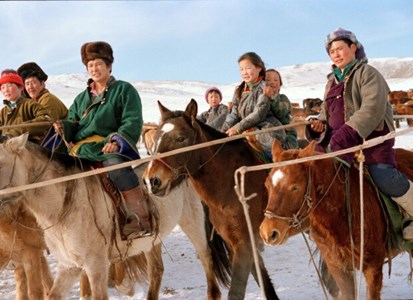
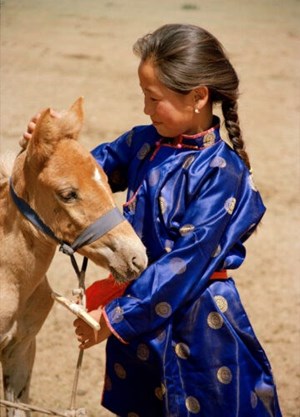
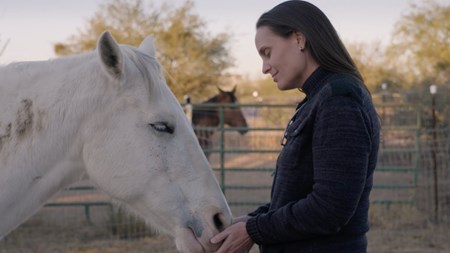
Photo by Liza F. Carter
Tekst used for demonstration purposes
When Linda Kohanov researched the history of leadership across multiple cultures for her fourth book The Power of the Herd, she came across two unexpected insights that led to her fifth book The Five Roles of a Master Herder. First, she discovered that a large percentage of innovative leaders were accomplished equestrians. Alexander the Great, the Buddha, Katherine the Great, Elizabeth I, George Washington, and Winston Churchill were among those historically significant figures who exhibited exceptional horse training and riding abilities. As they gained the nonverbal skills to motivate powerful thousand-pound animals to temper their survival instincts in challenging situations, these people also developed the capacity to motivate large human populations to work together toward ambitious goals.
The second insight came from studying nomadic pastoral cultures around the world. These people keep herds of powerful animals together without fences and with very little reliance on restraints. To do so, they employ five roles of social influence, interchangeably, as needed. Pastoral cultures understand that among large herbivores like horses and cattle, the leader and the dominant are often two different animals. Masterful herders know when and how to employ the Leader and Dominant roles thoughtfully and purposefully for the good of the interspecies community, while also engaging the Sentinel and Nurturer/Companion roles liberally. Most importantly, they understand how to use power in nonpredatory ways, limiting the Predator role for special circumstances as nature intended: to keep life in balance with the available resources. From the animals themselves, these people learned to socialize aggressive stallions and bulls by using the dominant role in its nonpredatory form, and also guard the herd from lions and wolves, for the most part, without lethal violence.
These potent realizations inform a revolutionary model for modern humans to excel at home, work, school, and in wider community and social activism contexts. The Five Roles model is also essential to forming strong partnerships with horses and other animals. “It was a life changing moment to realize that leadership is only one of five roles people need to influence others in socially intelligent ways,” Linda says. “And so I came up with the term master herder, one that turns ‘power over’ definitions of mastery inside out and upside down.
“A master herder develops exceptional self-mastery of survival instincts and impulses to control others. To act for the good of the herd and the tribe, this person must also master five roles of power and social influence. Most people become attached to one or two roles while abdicating the others. This creates much of the dysfunction we see in all our personal and professional relationships. Ultimately, a master herder is a strong, compassionate well-balanced leader who also acts as a caretaker and a guardian. He or she can stand up to adolescent dominant behavior, helping people and animals who overuse this role to learn to use their exceptional power in intelligent, life- and relationship-enhancing ways. As teenagers and adults in any social system gain proficiency in all five roles, bullying behavior lessens, and gentle, more compassionate people become effective protectors and advocates for others.”
An Innovative, Socially Intelligent Leadership Model
In 2016, actor, director, and accomplished horseman William Shatner attended Linda’s Five Roles workshop in Los Angeles. He called the model “an innovative and practical nature-based approach to leadership—and life. It’s not just for corporate executives. Parents, teachers, community organizers, film directors, and especially politicians would all benefit from learning these skills.”
Linda and her carefully trained Master Herder instructors have presented this model to large corporations, small businesses, universities, public schools, health care and social service agencies, as well as equestrian, animal rescue and community organizations worldwide. You can now study the five roles in the comfort of your home or office through her new online course. Filmed in front of a live audience in Atlanta, Georgia, The Five Roles of a Master Herder not only covers how and when to use the roles, it explores in depth the dysfunctions that occur when people over-emphasize any one of these roles, helping make sense of aggressive or passive aggressive behavior at work, school, home, and at the barn. Most importantly, through questions and interactions with the audience, Linda shows how to handle power plays, break through resistance, and turn conflicts into opportunities for building understanding and trust in organizations large and small.
Right now, you can receive a special holiday discount of 30 percent off the Five Roles online course by entering the coupon code FIVEROLES30 at check out when you enroll at https://lindakohanov.com/master-herder/ (where you can also learn more about the course).
Linda also has two spaces left in her winter 2024 equine facilitated course on the five roles, which also teaches advanced skills in handling fearful or aggressive horses and people. For a workshop description, see https://eponaquest.com/workshop/the-power-of-the-herd-working-with-eponaquests-horses-to-master-the-five-roles/
All photos in this edition of Eponaquest News were taken by Liza F. Carter who lived with a Mongolian tribe, and witnessed directly how they enfold the five roles into their daily life with horses and other animals. Read about her adventures and see more images in the book Moving with the Seasons: Portrait of a Mongolian Family
Laat een reactie achter
Om een reactie te plaatsen, moet je inloggen.
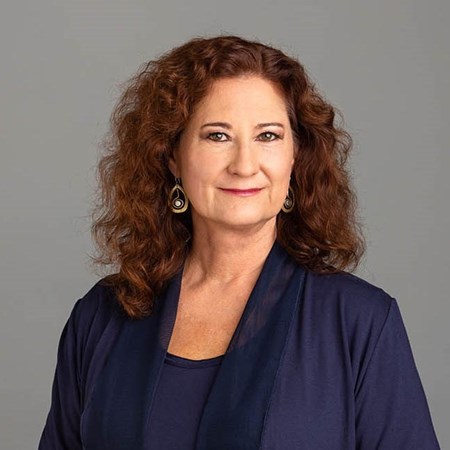 Linda Kohanov
Founder of Eponaquest Worldwide and THE FIVE ROLES OF A MASTER HERDER LEADERSHIP MODEL
Reacties